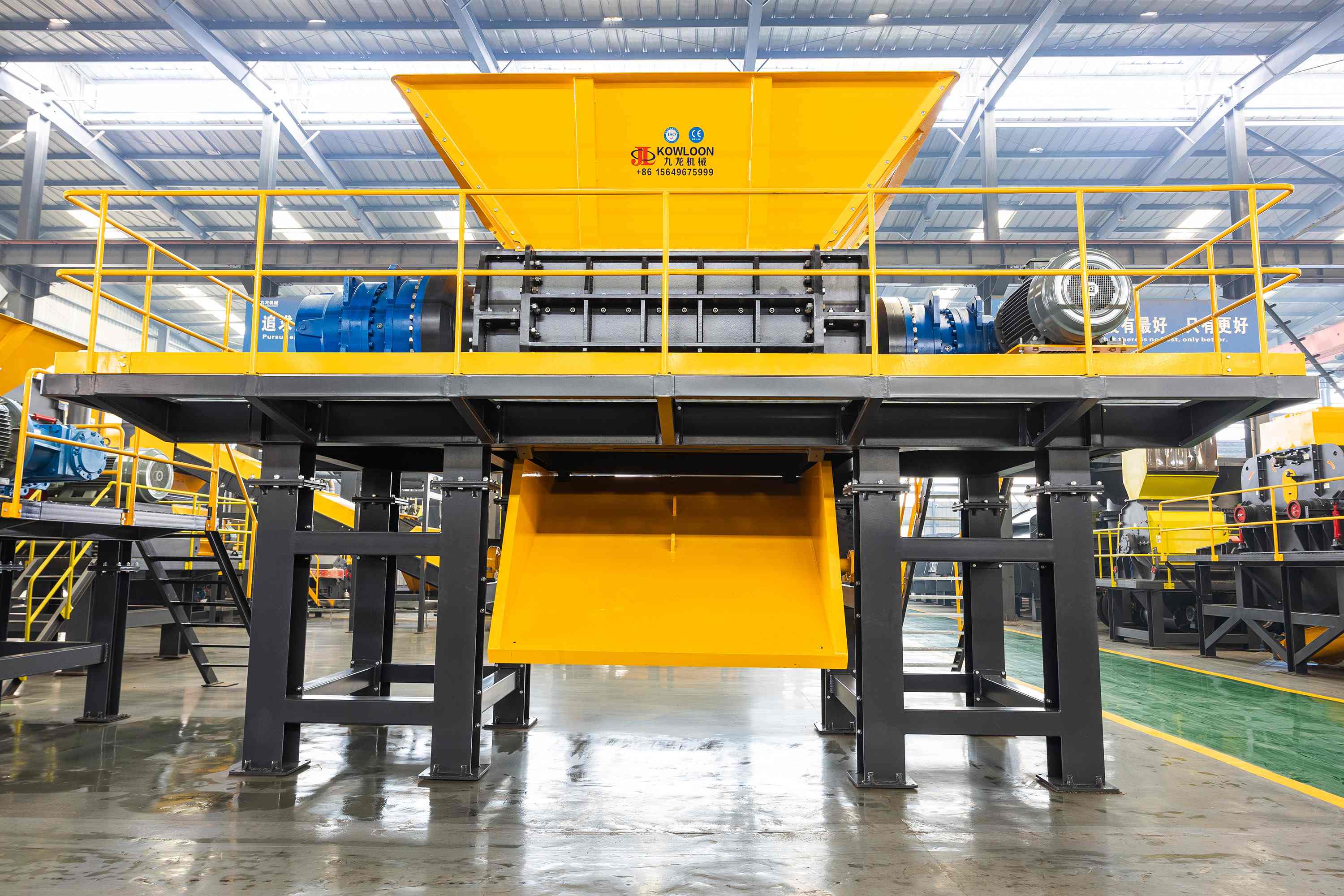
Wood Chipper Company Checklist for First-Time Buyers
2026-10-12
Buying your first wood chipper feels a bit like choosing a workhorse for your land—get it right and it powers through brush for years; get it wrong and you're stuck with a machine that chokes on every branch. This checklist from Kowloon Machinery cuts through the noise, spotlighting the must-check specs and hidden pitfalls most first-time buyers miss. Ready to make a confident decision instead of a costly guess?
Match the Chipper to Your Typical Brush Pile First
Before you get distracted by horsepower numbers, take a hard look at the brush piles you actually make. Are they mostly thin prunings and leaves, or do you regularly drag over thick oak limbs? For the wispy stuff, a small electric chipper will chew through it fine without the hassle of a pull cord. But if you routinely feed branches over three inches thick, that little machine will jam constantly—you're better off with a gas-powered model that has a wider chute.
Another habit worth noticing is how wet or dry your typical pile is. Freshly cut green branches are tougher to shred than dead, brittle wood because the fibers are still springy. Dry piles crumble easier but throw up more dust. So if most of your debris comes from hedge trimmings in spring, plan for a machine that handles sap and moisture well. If you mostly clean up after storms with fallen dead limbs, you can get away with a simpler blade setup.
Then there's the question of frequency. If you only deal with brush twice a year, renting a mid-size chipper for a weekend often beats storing and maintaining your own. But if you're out in the yard every week, a machine that can handle mixed sizes without clogging will save you hours. Match the chipper to your real, repeatable brush pile—not the one you imagine you might have someday.
Feed Roller Grip Beats Engine Horsepower for Real Work
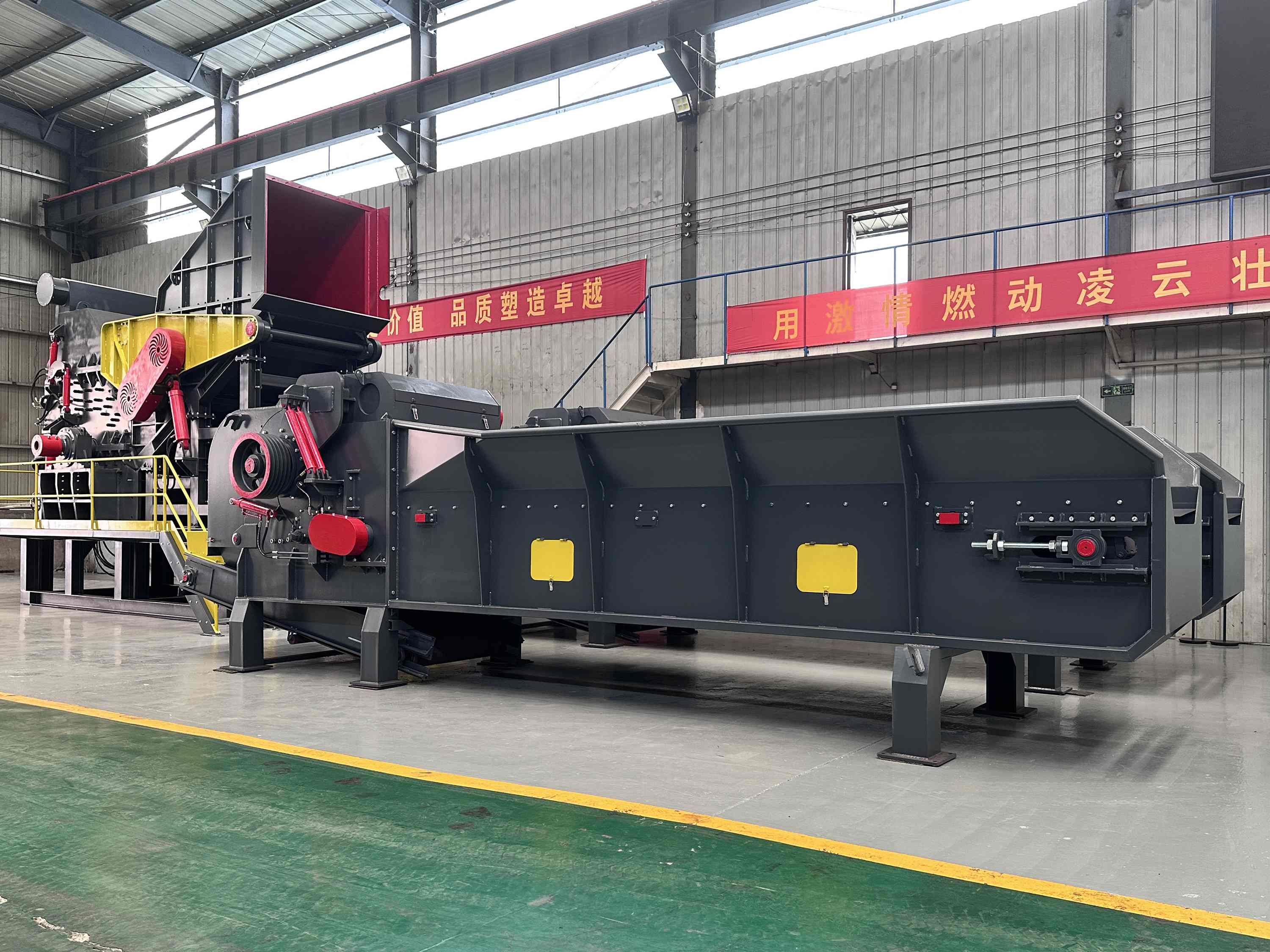
A machine can have all the horsepower in the world, but if the feed roller slips on wet bark or smooth branches, that power never reaches the cutting wheel. On real job sites, it is the roller's bite that determines whether a pile of brush disappears in minutes or turns into an afternoon of reversing and re-feeding. Sharp, aggressive roller teeth and enough down-pressure make far more difference than a bump in engine spec.
Think about the last time a chipper stalled or clogged. Usually the engine was still pulling strong, but the material just sat there spinning against polished rollers. Upgrading the grip, whether through deeper serrations, better geometry, or hydraulic down-force that actually adjusts to the load, keeps the wood moving forward. That steady pull is what clears a yard fast, not the peak horsepower printed on the brochure.
Blade Wear and Replacement Costs Hide in the Fine Print
A mower deck priced at $2,400 might need its three blades swapped every 60 hours of cutting. At $38 per blade plus labor, that's a quiet recurring charge most buyers never calculate until the second season.
Fine print often reclassifies blades as consumable wear items, which means they sit outside the standard warranty. Some brands even void coverage if you use aftermarket replacements, locking you into a proprietary supply chain where a single hardened edge costs more than a full tank of fuel.
Safety Features Worth Testing Before You Buy
A vehicle's safety ratings only tell part of the story. Before committing to a purchase, test how the car actually behaves in real-world scenarios. Start with emergency braking: find an empty stretch of road, accelerate to about 35 mph, and apply the brakes firmly. Does the car stop straight without pulling to one side? Is the pedal responsive without excessive travel? Many drivers skip this step and later discover brake fade or uneven pad wear that could have been caught early.
Next, evaluate visibility and blind-spot coverage. Sit in the driver's seat and adjust the mirrors until you can see the rear corners clearly. Check for thick A-pillars that block pedestrians at crosswalks, and test the rearview camera's clarity in low light or rain. A car with a five-star crash rating can still have dangerous blind zones if the mirror design or window shapes are poorly executed.
Finally, pay attention to advanced driver-assistance systems (ADAS) rather than just trusting the brochure. Activate lane-keeping assist on a curved road and see if it ping-pongs between lines or holds steady. Try adaptive cruise control in stop-and-go traffic to confirm it doesn't brake too late or accelerate abruptly. These systems vary widely between manufacturers, and a short test drive can reveal whether the technology feels intuitive or intrusive.
Ask About Maintenance Intervals, Not Just Warranty Length
When you're comparing vehicles, the warranty length is often the first number thrown around, but it rarely tells you what ownership will actually cost. A seven-year warranty might sound generous, yet if the fine print requires dealer-only servicing at tight intervals, that promise becomes a financial leash. Dig into the maintenance schedule instead: how often does the oil need changing, when do major components like timing belts or transmission fluid demand attention, and what do those services typically run at local independent shops?
Some models need brake fluid every two years, spark plugs at 40,000 miles, or coolant flushes that rival a monthly car payment. Others stretch basic intervals far longer with synthetic fluids and sealed components, which means fewer shop visits and less downtime. Ask for the actual service booklet, not just a quick summary. If a vehicle's routine upkeep lands every six months and a rival's schedule stretches to twelve, that difference compounds over the years—often surpassing the value of an extra year of warranty coverage that only kicks in after something breaks.
Delivery, Setup, and Break-In Support Change the Deal
Most buyers don't realize how much the final mile matters until they're watching a forklift dodge a low branch in their driveway. A vendor who handles delivery with real coordination—calling ahead, walking the route, padding doorframes—turns a nerve-wracking day into a non-event. That level of care signals what the next five years of ownership will feel like.
Setup is where generic help falls apart. Instead of a rushed handoff, the right team sticks around to level the machine, calibrate tension, and test it under your actual workload. They ask about your grip style, your typical materials, even the height of your bench. Those small adjustments prevent the frustration of a tool that's technically functional but never feels quite right.
Break-in support is the quiet differentiator nobody advertises. A follow-up call at hour ten, a check on vibration and heat, advice on when to push harder versus back off—that's what separates a transaction from a working relationship. When problems show up early, as they often do, having someone who already knows your setup means you're back to work in minutes, not weeks.
FAQ
Ask what diameter capacity they recommend for the type of branches you actually trim, not just the maximum listed on the brochure. Too many people buy a 6-inch chipper when they only ever feed 2-inch green limbs. Get a realistic sense of your typical workload and ask if the company offers demos or rental options to test that size.
Look beyond the sticker price. Ask about blade replacement frequency, belt or bearing service intervals, and whether common wear parts are stocked locally or have to be shipped. Some companies bundle the first maintenance kit free, others charge delivery and setup separately, so get a line-item quote.
Don't just ask how many years the warranty runs. Find out if it covers the hydraulic feed system, the engine, and the chipper housing separately, and whether labor is included or only parts. Ask what happens if a defect shows up after the first season, not just the first month.
Local dealers win for service and parts availability, especially if you don't want to do your own repairs. Direct manufacturers can sometimes offer lower prices or custom configurations, but you need to know who handles warranty work in your area. Ask for three local references from any company you seriously consider.
Look for a feed control bar that's easy to reach from the operator position, a reverse feed that engages without taking your hands off the controls, and a discharge chute that can be locked in place. If the company downplays safety features or says they're only for commercial users, keep shopping.
Ask whether the feed rollers are hydraulic or manual, and whether they can be adjusted for different wood hardness. Softwood branches feed differently than dry hardwood, and some chippers clog if the rollers are too aggressive. A good company will ask about your tree types before recommending a model; if they just walk you to the biggest machine, that's a red flag.
Request a same-model demo with your own branches, not just the one sitting clean in the showroom. Pay attention to how easy it is to clear a jam and whether the discharge chute throws chips where you need them. If a company won't let you test or at least watch a full feed cycle, walk away.
Ask how often the blades need sharpening or flipping, and whether the company provides a torque wrench and instructions for blade access. Also ask if the chipper has grease points you can reach without removing panels. A company that makes maintenance simple is the one you'll actually keep using.
Conclusion
A first wood chipper purchase goes sideways fast when the machine and the brush pile don't speak the same language. Before comparing specs, look at what you actually feed: thin green limbs, dry hardwood branches, or mixed yard waste. A chipper built for soft, leafy material will choke on dense oak, while a heavy-duty drum model wastes money if you only clear light trimmings. The engine horsepower rating gets a lot of attention, but the feed roller's grip matters more in daily use. A machine that slips on wet bark or yanks material unevenly will frustrate you far sooner than a few missing horsepower. Equally hidden is blade wear. Ask for real numbers on blade life in hours, not just marketing claims, and price out replacement blades and sharpening before you commit. Some models need new blades every twenty hours, which turns a bargain into a money pit.
Safety features should be tested with your own hands, not just listed on a spec sheet. A feed control bar that's too stiff or too easy to trigger changes how safely you work when tired. Check how quickly the rotor stops after you release the controls, and whether the emergency stop is reachable from both sides. Maintenance intervals often reveal more than warranty length: a chipper that needs greasing every four hours or belt tension checks every week will eat your time even if the warranty covers parts for five years. Finally, ask what happens after the sale. Delivery, setup, and the initial break-in period often fall through the cracks. A dealer who walks you through first oil changes, belt adjustments, and safe feeding techniques adds real value, while a crate dropped at your curb leaves you stranded with a manual and a half-full tank.
Contact Us
Contact Person: Ray
Email: [email protected]
Tel/WhatsApp: +86 13733817580
Website: https://www.zzkowloon.com/