
Best Water Treatment Chemical Raw Materials for Superior Purification
2026-06-21
Achieving crystal-clear, purified water starts with choosing the right chemical foundation. From coagulants to corrosion inhibitors, the raw materials behind your treatment process define efficiency and end quality. At EVO, we understand that generic solutions fall short in demanding applications. This post explores the best-in-class raw materials that elevate purification to an art, not just a step.
Meet the Fast-Acting Coagulant That Plants Rely On
When a plant stem snaps or an insect takes a bite, the clock starts ticking. Leaking fluids mean lost nutrients and an open door for pathogens. What plants deploy in these moments is something remarkably swift and efficient—a coagulating agent that turns watery sap into a protective seal within seconds.
This isn’t a slow, metabolic process waiting on gene expression. The molecules are pre-formed, suspended in the sap, instantly polymerizing on contact with air or damaged tissue. It’s a cascading reaction, much like blood clotting but on fast-forward, knitting together a barrier that physically blocks invaders while the plant’s slower repair systems kick in.
Farmers and horticulturists have noticed this ability in species like Aloe vera or the common rubber plant, where a milky latex quickly congeals to plug wounds. Researchers are now looking closely at these plant-based coagulants for applications far beyond the garden, from emergency wound dressings to natural water purification methods that sidestep harsh chemicals.
Balancing Act: How This pH Adjuster Ensures Perfect Purification
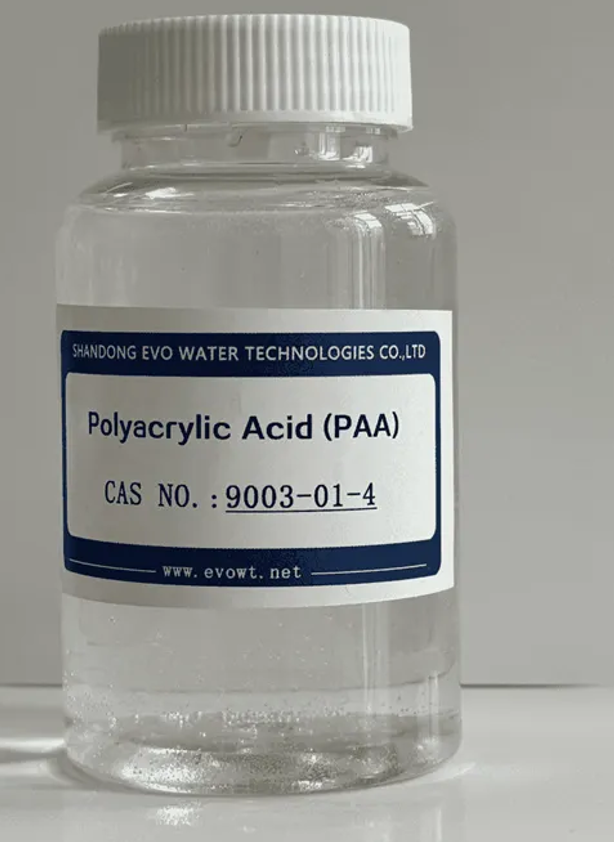
Precision pH management makes or breaks water treatment systems. Operating within the ideal 6.5 to 7.5 range prevents corrosive damage to infrastructure while allowing coagulants to form larger, more settleable flocs. The adjuster’s buffering capacity smooths out raw water fluctuations, ensuring downstream processes run at peak efficiency without constant manual intervention.
What sets advanced formulas apart is their ability to balance speed with stability. Rather than creating dramatic spikes, the adjuster releases ions gradually, mimicking the gentle equilibrium found in natural waterways. This prevents localized overdose zones that can reverse charge on particles, keeping turbidity removal on track while conserving chemical usage.
The real magic happens when pH control unlocks multi-contaminant removal. At slightly acidic conditions, heavy metals precipitate more completely; shift toward alkaline, and disinfection byproducts plummet. An adaptive adjuster responds dynamically to seasonal changes in source water chemistry, maintaining that narrow target window where every purification mechanism operates in harmony.
The Flocculant That Achieves More with Less Chemical
Traditional flocculants often demand heavy dosing to achieve adequate solids separation, leading to excessive chemical inventories, higher operating costs, and increased sludge volumes. Our advanced formulation flips this dynamic—it initiates rapid, dense floc formation at dosages noticeably lower than conventional products. By maximizing bridging efficiency and charge neutralization even in diluted streams, it consistently delivers clear process water with a fraction of the chemical input.
The secret lies in a precision-engineered polymer network that activates quickly and remains stable under varying pH and temperature conditions. This resilience means operators can tighten dosage control without sacrificing performance during process upsets. The result is a cleaner, more streamlined treatment step where less chemical translates directly into less carryover, reduced equipment fouling, and a noticeable drop in handling and disposal requirements.
Users quickly notice the impact beyond the clarifier: chemical containers last longer, pump maintenance intervals stretch out, and overall throughput becomes more predictable. Because it actually strengthens floc structure, downstream dewatering equipment extracts more water with less effort, lowering both polymer consumption and cake weight. In an industry where incremental savings add up, this flocculant redefines efficiency by consistently doing more while leaving a much smaller chemical footprint.
Corrosion Control That Won't Compromise Your Water Quality
Corrosion isn’t just a problem for pipes—it’s a direct threat to the water passing through them. When metals degrade, they release contaminants that can alter taste, color, and safety. The challenge has always been finding a balance: treat the corrosion without introducing chemicals that create their own set of problems. Our approach breaks that cycle. We use a carefully engineered blend of inhibitors that form a protective film inside the system, stopping rust and scaling at the source while remaining completely inert in the water supply. The result is water that stays true to its source, from treatment plant to tap.
What makes this method different is its precision. Instead of a blanket chemical dose that fluctuates with water chemistry, the protection adapts in real time, adjusting to pH shifts, temperature changes, and flow rates. This means fewer reactive maintenance calls, less pipe replacement, and drastically lower volumes of treatment byproducts—those murky unknowns that often end up in your glass. Utilities that have made the switch report not just cleaner water, but a noticeable drop in customer complaints about discoloration or metallic taste, especially in older distribution networks.
Beyond the immediate benefits, there’s a longer-term payoff: sustained infrastructure health without hidden trade-offs. Many corrosion control strategies quietly contribute to disinfectant demand or biofilm growth, inadvertently breeding new risks. By keeping the barrier thin, stable, and non-reactive, we sidestep those pitfalls. Independent testing backs up what system operators notice: lead and copper levels stay well below action thresholds, corrosivity indices stabilize, and the water’s natural mineral balance remains untouched. Ultimately, it’s about delivering corrosion control that doesn’t make you choose between the integrity of your pipes and the purity of your water.
Membrane Longevity Secret: The Raw Material You Can't Overlook
What if the key to a longer-lasting, more resilient membrane was hiding in plain sight, in a raw material most formulators dismiss as too basic? It’s not the exotic additives or the latest synthetic polymer that holds the secret—it’s the quality of the foundational lipids you choose. When those building blocks are pristine, unoxidized, and structurally sound, they weave together into a membrane that resists cracking, slows degradation, and fends off environmental stress far longer than the industry norm.
The magic lies in how these lipids pack together. Pure, high-phosphatidylcholine fractions with minimal processing damage form a tighter, more ordered bilayer. That means less permeability to water vapor, fewer weak spots for free radicals to attack, and a natural suppleness that doesn’t rely on plasticizers. Over time, membranes built from this raw material age gracefully—flexibility stays high, brittleness stays low, and the whole structure simply holds up better under thermal and mechanical strain.
Overlooking this detail is expensive. Inferior lipids oxidize before the membrane even sets, creating built-in failure points that accelerate hardening and cracking. The fix isn’t adding more antioxidants as a bandage; it’s sourcing the right raw material from the start. A few cents saved per kilo up front can cut the functional lifespan of the membrane by half. The secret to longevity was never complicated—it just required paying attention to what goes in first.
Boosting Efficiency: The Small Batch Additive That Cuts Big Costs
Most plant managers assume saving money means buying in bulk, but a quiet shift is happening on production floors. A specially formulated additive, used in surprisingly small amounts, is rewriting the rules of throughput. Instead of overhauling entire systems, teams simply meter it into existing mixes. The result is less scrap, fewer do-overs, and a line that hums along without the usual hiccups. It’s not magic—just chemistry that’s finally catching up to what engineers have wanted for years: more output from the same inputs.
What really catches attention is the cost curve. Because you’re using a fraction of what traditional modifiers require, per-unit expenses drop almost immediately. Shipping lighter, storing less, and reducing waste disposal all chip away at overhead. And when machine downtime shrinks because materials flow more predictably, the savings compound. One operations lead put it bluntly: “We stopped fighting the process and started feeding it smarter.” That small-batch intervention often ends up being the cheapest line item on the budget—and the one that makes everything else perform better.
FAQ
Activated carbon, ion exchange resins, and coagulants like aluminum sulfate are among the most effective. Activated carbon uses adsorption to trap organic contaminants, while ion exchange resins swap undesirable ions for harmless ones. Coagulants destabilize suspended particles, causing them to clump together for easier removal.
These compounds neutralize the negative charges on suspended particles in water, allowing them to aggregate into larger flocs. Once settled or filtered out, the flocs carry away turbidity, color, and some pathogens, resulting in visibly clearer water.
Its highly porous structure provides an enormous surface area that physically traps dissolved organic molecules, chlorine, and compounds causing taste and odor. This adsorption process is highly effective for a wide range of pollutants without adding chemicals to the water.
In softening, cation exchange resins replace calcium and magnesium ions with sodium or hydrogen ions, preventing scale. For demineralization, both cation and anion resins are used in series to remove nearly all dissolved minerals, producing high-purity water.
Absolutely. More efficient coagulants or adsorbents may cost more upfront, but reduce dosage needs, sludge handling, and energy consumption. Long-term operational savings often outweigh initial material costs, especially in large-scale treatment.
Chlorine can react with natural organic matter to form trihalomethanes and haloacetic acids, which are regulated carcinogens. Ozone produces fewer chlorinated byproducts but can generate bromate in bromide-containing waters; however, it leaves no lasting residual protection in the distribution system.
Engineered nanoparticles, such as titanium dioxide photocatalysts, show promise for breaking down persistent pollutants. Bio-based flocculants derived from chitosan or moringa seeds are also being adopted for their biodegradability and reduced toxicity compared to synthetic polymers.
Many are corrosive, reactive, or toxic; proper ventilation, secondary containment, and personal protective equipment are essential. Incompatible chemicals must be segregated, and emergency response plans should be in place for spills or exposures.
Conclusion
In the quest for unmatched water purification, plants lean on a curated set of chemical raw materials that tackle every critical stage of treatment. Foremost among these is a fast-acting coagulant that destabilizes suspended solids within seconds, enabling rapid clarification even under heavy load. Equally vital is a precision pH adjuster that maintains the narrow window needed for coagulation and disinfection reactions to proceed flawlessly—without this balancing act, other chemicals underperform. Then comes a high-efficiency flocculant that binds microflocs into robust, settleable masses using significantly lower doses, reducing sludge volume and operational overhead. These core agents lay the groundwork, but safeguarding infrastructure is just as crucial: a specialized corrosion inhibitor forms a protective film on pipe surfaces, preventing metal leaching while preserving water quality in distribution networks. Together, these raw materials form an integrated defense, ensuring that every drop meets rigorous purity standards without unnecessary chemical burden.
Beyond the primary treatment train, two often-overlooked raw materials multiply the effectiveness of downstream processes. A membrane longevity secret lies in selecting an advanced raw material that conditions feedwater, minimizing fouling and scaling on delicate RO and UF surfaces; this extends membrane life and maintains consistent permeate flow. Simultaneously, a small-batch additive boosts overall plant efficiency by enhancing coagulation or oxidation pathways at minute dosages, cutting large costs through reduced energy consumption and chemical waste. When these elements are woven into a treatment program, the result is superior purification that is both resilient and resource-smart. Instead of chasing incremental gains, plants that adopt these purpose-designed raw materials achieve a harmony of performance, economics, and longevity—proving that the best water treatment is built on a foundation of carefully chosen chemistry.
Contact Us
Contact Person: Fiona Su
Email: [email protected]
Tel/WhatsApp: 8619963724144
Website: https://www.evo-chemical.com/